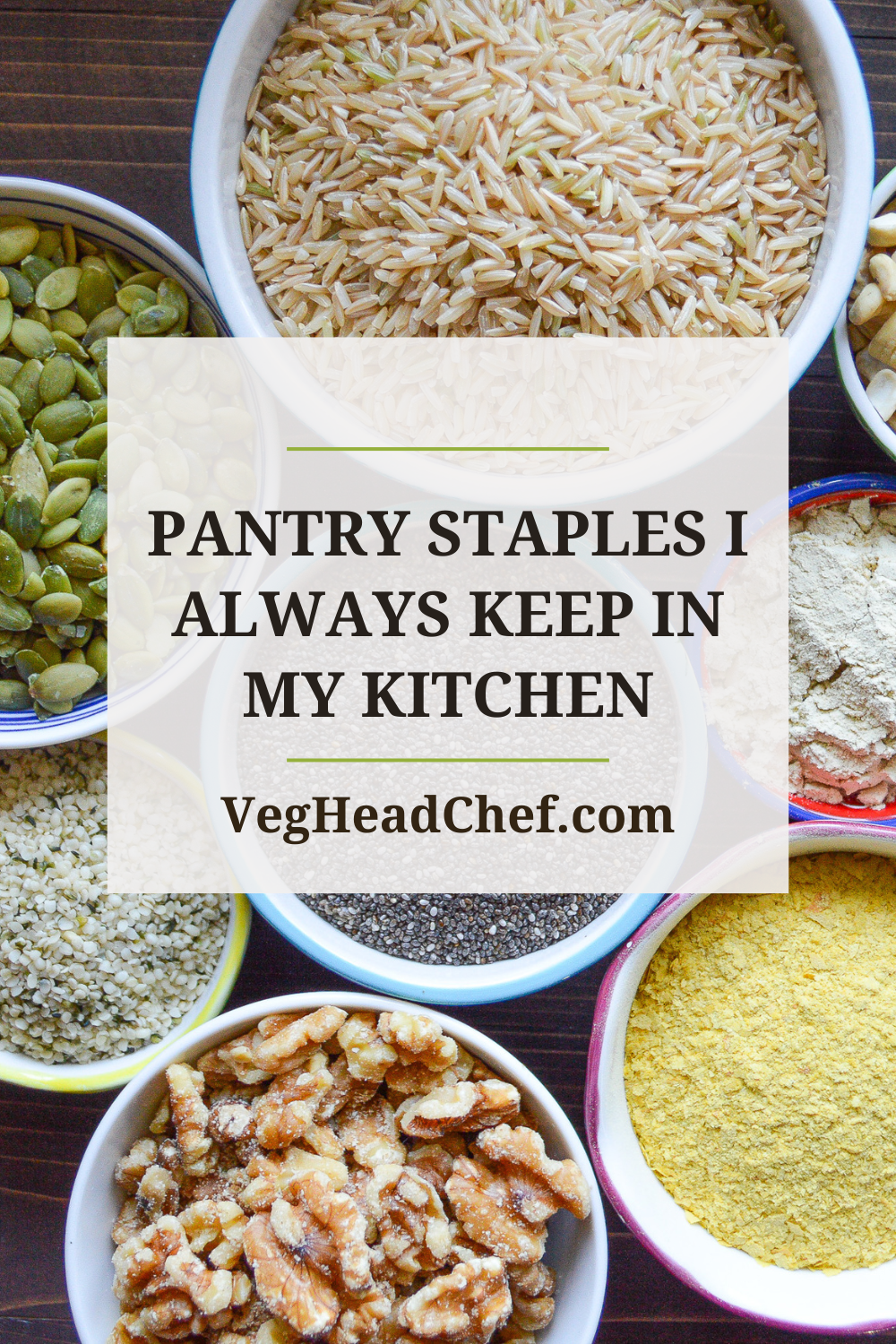
Pantry Staples I Always Keep In My Kitchen
After years of cooking professionally—and even longer figuring out what eating well actually looks like for me—I’ve learned that a well-stocked pantry is one of the simplest ways to make cooking at home easier.
You don't need a pantry filled with expensive superfoods or ingredients you'll use once and forget about. I believe in keeping a handful of versatile whole-food staples around that can easily turn whatever seasonal ingredients I have into a meal.
My approach to food has become pretty simple:
KEEP IT WHOLE. KEEP IT SIMPLE. KEEP IT SEASONAL.
My pantry takes care of the whole + simple part. Then I head to the market, farm stand, or fridge for whatever is fresh and seasonal.
These are the staples you'll almost always find in my kitchen.
Almonds
Almonds are the perfect snack and one of the healthiest nuts! They are a rich source of protein and fiber. I keep raw whole almonds on hand for a late night snack. I make them part of my dessert and it totally helps my sugar cravings. I love having sliced almonds ready to quickly add to any salad or parfait.
Almonds are one of those ingredients I use in both sweet and savory dishes.
I keep whole raw almonds around for snacking, but sliced almonds are probably what I use most when cooking. Add them to a salad, roasted vegetables, oatmeal, grain bowls, or even on top of pasta for nice crunch!
They're also great blended into sauces and pestos when you want richness without adding dairy.
CHEF'S TIP: Toast your nuts before using them. A few minutes in a dry pan enhances their flavor.
Walnuts
Walnuts have been a staple in my kitchen for years. I always have a craving for the extra nutty crunchy flavor of walnuts.
I love adding them to oatmeal and energy bites, but don't limit walnuts to sweet recipes. They're SO good with lentils, roasted vegetables, hearty salads, grains, and fall dishes.
One of my favorite seasonal combinations is:
Lentils + walnuts + tomatoes + lemon + raisins + goat cheese + lemon vinaigrette.
Hemp Seeds
Hemp seeds are one of the easiest pantry ingredients to incorporate because they have such a mild flavor.
I sprinkle them into smoothies, oatmeal, salads, grain bowls, energy bites—you name it they pair well with it.
They're particularly useful when you're cooking plant-forward meals because they add a complete protein, healthy fats, and a little texture without changing the flavor of the dish.
Sunflower Seeds
I LOVE having different seeds around because texture is such an important part of making simple food taste interesting. They are a great addition to my trail mixes for the best grab and go snack. They always seem to end up in any granola bar or power ball I make.
Sunflower seeds are also inexpensive and perfect for adding crunch to salads, roasted vegetables, and oatmeal.
They're also a great alternative when you're cooking for someone with a nut allergy.
TRY THIS: Toast sunflower seeds with a little sea salt and sprinkle them over roasted carrots or squash.
Black Beans
Black beans should be in everyone’s cabinet at all times. These are my go to bean for any taco, wrap, salad, or soup! I have both canned and dry on hand. If I have a dish in mind for the week I simply put the dry beans in a crock pot overnight on low and have cooked beans ready the next morning. For canned beans always make sure you read the label and there is nothing in there but beans & water.
Chickpeas
If I had to choose one bean to always have in my kitchen, chickpeas would probably win. They're incredibly versatile. You can add them to salads. Toss them into soups. Roast them until crispy. Blend them into hummus. Add them to curries. Mash them for sandwiches. Throw them onto a sheet pan with whatever vegetables are in season.
This is exactly the type of ingredient I mean when I say keep it simple. One ingredient can become ten completely different meals depending on how you season and cook it.
Quinoa
We all know at this point that quinoa is a top player in the super food category. It’s a complete protein making it a fantastic addition to a VegHead diet. I love quinoa because it has no flavor making it versatile to any style of cuisine. A great way to start adding Quinoa into your diet is mixing it with other grains like couscous & rice. Or mix it up with your favorite greens for a satisfying salad.
Brown Rice
Brown rice is one of those humble ingredients that doesn't get much attention, but it's incredibly useful. I use it for stir-fries, burrito bowls, curries, vegetable bowls, and as a side for any meal! You can always cook a batch once and use it throughout the week with different vegetables, proteins, herbs, and sauces.
That's one of the biggest lessons I've learned from years of cooking for families:
You don't need to meal prep complete meals. Prep components.
A cooked grain + washed greens + roasted vegetables + a good sauce can become completely different meals throughout the week.
Lentils
Lentils are easily one of my favorite pantry staples—especially once soup season arrives. Green and brown lentils hold their shape well, so I love using them in salads, bowls, soups, and hearty vegetable dishes. Red lentils break down much more easily, making them perfect for curries, dals, and puréed soups.
In the fall and winter, you'll almost always find some variation of lentils + vegetables + hearty herbs happening in my kitchen.
It's inexpensive, comforting, and exactly how I like to cook.
Whole Grain Oats
Oats are obviously great for just oatmeal, but I use them for so much more. I use them for crockpot oatmeal (for a prep ahead breakfast) energy bites, homemade granola, muffins, cookies.
During colder months, I love cooking oats with warming spices like cinnamon and topping them with cooked apples or pears, walnuts, seeds, and a little maple syrup. Again: nothing fancy just good ingredients prepared simply.
How I Stock My Pantry
You don't need to buy all of this every week. I generally think about food shopping in two categories:
PANTRY: grains, beans, pastas, lentils, nuts, seeds, jams, spices, oils, vinegars and other staples that can last for weeks.
SEASONAL: vegetables, fruit, herbs, proteins (more fish for summer and more beef for winter) and other fresh ingredients that change throughout the year.
Keeping the pantry stocked means when I find beautiful asparagus in spring, tomatoes in August, or squash in October, I already have everything else I need to turn that ingredient into dinner. That’s is really my VegHead philosophy.
Start with what's in season.
Then add a whole grain, bean or protein, next add some greens or vegetables.
Finish it with fresh herbs, something crunchy, and a really good sauce. I always think cooking well doesn't have to be complicated.